
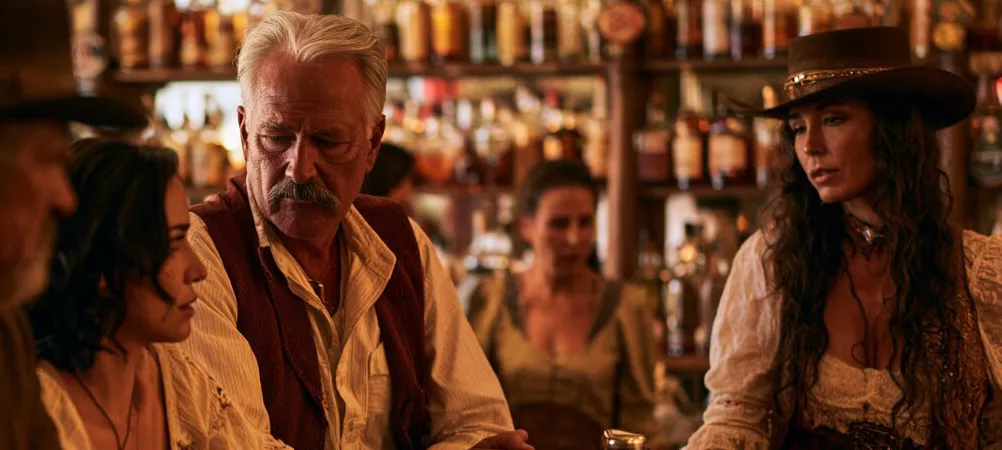
In Texas, bars, restaurants, and other licensed alcohol sellers can be held legally responsible when they serve alcohol to a visibly intoxicated person and that intoxication causes injury or death.
This is called dram shop liability, and it gives injured victims the right to pursue compensation from the business that overserved the at-fault person, not just the drunk driver themselves.
The Texas Dram Shop Act, found in Chapter 2 of the Texas Alcoholic Beverage Code, sets out exactly when a business crosses the line from serving customers to creating legal liability.
To succeed on a claim, you generally need to show that the establishment served someone who was obviously intoxicated, that the intoxication caused your damages, and that the business does not qualify for the Safe Harbor defense.
Who Can Be Held Liable Under Texas Dram Shop Law?
Any business or individual licensed by the Texas Alcoholic Beverage Commission (TABC) to sell or serve alcohol can potentially be held liable. That’s a broader group than most people realize.
Common liable parties include:
- Bars and nightclubs.
- Restaurants that serve alcohol.
- Liquor, convenience, and grocery stores.
- Hotels, resorts, and private clubs.
- Catering companies with alcohol permits.
Liability doesn’t stop at the business itself. Bartenders, servers, managers, and owners who made the decision to keep serving a visibly drunk person can all be part of the claim. If a licensed business or its staff profits from ignoring dangerous intoxication, the law holds them accountable.
What You Must Prove to Win a Texas Dram Shop Case
To win your claim, you must prove four elements by a “preponderance of the evidence.” That simply means showing it is more likely true than not. Here’s what each element requires.
Service or Sale of Alcohol
We must first confirm the provider actually sold or served alcohol to the at-fault person. We prove this using bar receipts, open tabs, point-of-sale records, and credit card statements.
Obvious Intoxication and Clear Danger
We must show the person displayed visible signs of being drunk, slurred speech, stumbling, glassy eyes, or erratic behavior. The legal standard is what a reasonable server should have noticed at the time they made the decision to serve another drink.
Causation Linking Service to Harm
The overservice must have been a substantial factor in causing your crash or injury. We connect this using blood alcohol concentration (BAC) results, accident reconstruction experts, and a detailed timeline of events.
Documented Damages
You must show real, measurable harm, medical bills, lost income, pain and suffering, or the financial and emotional losses that come with a wrongful death claim. Without documented damages, there is no case.
What Evidence Helps Prove a Dram Shop Claim?
Strong dram shop cases are built on fast action. Surveillance footage gets deleted, receipts disappear, and witnesses forget details. Here is what we look for and why moving quickly matters.
- Bar receipts and POS records: These show exactly what was ordered, how much was consumed, and over what period of time.
- Security camera footage: Video evidence of the patron’s behavior inside the establishment is often the most powerful proof of obvious intoxication. Security camera footage is often retained only for a limited time and can be overwritten quickly.
- Eyewitness and staff testimony: Other patrons, bartenders, and security staff can testify about the person’s visible condition that night.
- Toxicology and timeline analysis: Expert toxicologists use “drink-back” calculations to reconstruct the patron’s BAC at the time of their last drink.
- TABC violation records: The Texas Alcoholic Beverage Commission keeps records of past citations and complaints, which can show a pattern of dangerous overservice.
As an experienced Texas car accident lawyer, one of the first things I do after taking your case is send a formal preservation letter to the business. This legally requires them to keep all video, receipts, and employee records and prevents them from quietly deleting the evidence we need.
What Is the Safe Harbor Defense in Texas?
Under Texas Alcoholic Beverage Code Section 106.14, a business can escape responsibility for an employee’s overservice if it meets three strict conditions:
- Mandatory TABC training: The employer must require all alcohol-serving staff to complete a TABC-approved seller training program.
- Actual completion: The specific employee who overserved the patron must have actually finished and certified that training.
- No encouragement to overserve: The employer cannot have directly or indirectly pressured staff to keep serving intoxicated customers.
That said, this defense fails more often than businesses expect. Under the Texas Supreme Court case 20801, Inc. v. Parker, once the employer proves the first two training requirements, the burden shifts to us to show they encouraged overservice.
At Perrin Law PLLC Injury & Accident Lawyer, I look for things like unrealistic drink sales quotas, managers who ignored drunk patrons, or a history of TABC violations that went unaddressed. If any one of the three prongs breaks down, the Safe Harbor defense falls apart.
Does Social Host Liability Apply in Texas?
Generally, no. Texas does not hold private individuals liable when adult guests drink at their home and later cause a crash. If someone leaves a house party drunk and injures you, you typically cannot sue the homeowner.
There is one important exception. An adult who knowingly provides alcohol to a minor under 18 who is not their own child or spouse, can be held liable if that minor’s intoxication causes injury or death. Outside of that specific situation, social host liability does not apply under Texas law.
How the 51 Percent Rule Affects Your Dram Shop Claim
Texas follows a modified comparative negligence system. This means you can still recover compensation as long as you are 50% or less at fault for what happened — but your recovery is reduced by your share of responsibility.
For example, if a jury awards you $200,000 but finds you were 20% at fault, you walk away with $160,000. If you are found 51% or more at fault, you recover nothing. Most victims in dram shop cases, passengers, pedestrians, and drivers hit head-on, carry little to no fault at all.
What Damages Can You Recover in a Texas Dram Shop Case?
Texas dram shop victims can recover economic damages, non-economic damages, and in wrongful death cases, additional losses tied to losing a loved one.
| Type of Damages | Examples |
| Economic | Medical bills, future care costs, lost wages, lost earning capacity, property damage. |
| Non-economic | Pain and suffering, mental anguish, loss of enjoyment of life, disfigurement. |
| Wrongful death | Loss of companionship, lost financial support, funeral and burial costs. |
One thing worth knowing: exemplary damages, designed to punish extreme recklessness, are generally not available against the alcohol provider under the Dram Shop Act itself. However, they may be available against the drunk driver in cases involving gross negligence.
How Long Do You Have to File a Texas Dram Shop Claim?
You have two years from the date of the accident to file a lawsuit under Texas Civil Practice & Remedies Code Section 16.003. Miss that deadline, and you lose your right to compensation permanently.
Two years sounds like plenty of time, but dram shop cases require fast action. Security footage disappears within weeks, witnesses move on, and key records get harder to obtain. I recommend contacting Perrin Law immediately, not months from now.
Why Choose Perrin Law PLLC Injury & Accident Lawyer to Handle Your Dram Shop Case
I treat every dram shop case as if it’s going to trial, because that’s exactly how we get the best results. Insurance companies and bar owners take claims more seriously when they know your attorney is fully prepared to fight in front of a jury.
Unlike large, volume-driven firms, I give every client direct access to me. I handle your case personally, from the first preservation letter to the final settlement or verdict. You are never passed off to a paralegal or left wondering what’s happening with your case.
You pay nothing up front. I only get paid if we win, period.
Take the First Step Toward Justice
If a bar or restaurant put profits ahead of safety and you or someone you love paid the price, you have legal options. Texas dram shop law exists specifically to hold those businesses accountable.
I’m ready to listen, explain your rights, and fight for every dollar you deserve. Call Perrin Law PLLC Injury & Accident Lawyer today or fill out our online contact form to schedule your free consultation.
Frequently Asked Questions
Can I Sue More Than One Bar if the Driver Was Drinking at Multiple Locations?
Yes. If more than one establishment overserved the same person before the crash, each can share liability, and we will investigate every stop on their timeline.
What Happens if the Bar Claims the Safe Harbor Defense Applies to My Case?
Safe Harbor is a defense, not a guaranteed shield. We routinely break it down by showing the business failed its training requirements or indirectly pressured staff to keep serving intoxicated customers.
Can I Still Prove Intoxication if Police Never Tested the Driver’s BAC?
Yes. We can establish intoxication through eyewitness accounts, security video, bar receipts, and expert toxicologists who reconstruct BAC levels based on what the person consumed and when.
Does Dram Shop Liability Apply if the Intoxicated Person Hurt Themselves Instead of Someone Else?
Generally, no. Texas dram shop law is primarily designed to protect third parties, people other than the intoxicated individual, who are harmed as a result of the overservice.
Can I File a Dram Shop Claim if I Was Also Drinking That Night?
Yes, as long as you are 50% or less at fault under Texas’s comparative negligence rule. Your compensation may be reduced by your share of responsibility, but you can still recover damages.