
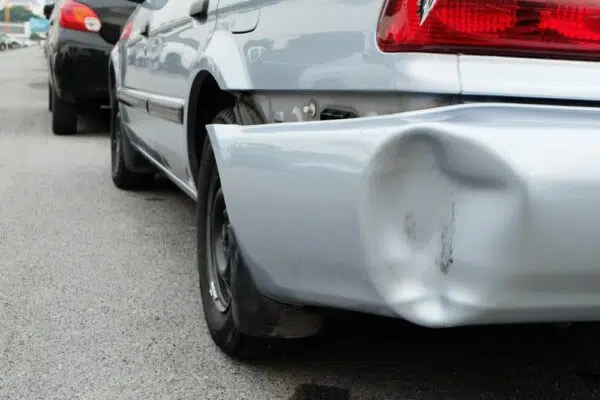
There are a few essential things to think about when deciding if you need a lawyer for a minor car accident in Texas. Most of the time, the answer is yes, even if the accident seems simple.
You can sometimes handle simple property-damage-only cases on your own if the fault is apparent and the insurance companies are willing to work with you.
However, most “minor” accidents involve issues such as hidden injuries, disputed liability, or insurance company tactics that require legal expertise to address appropriately.
The term “minor” can be misleading because low-speed collisions often cause serious injuries that don’t appear immediately, and insurance companies frequently use delay tactics or blame-shifting strategies to minimize payouts.
Texas’s comparative fault laws also mean that if you’re found 51% or more responsible for the accident, you recover nothing, making proper legal representation crucial for protecting your rights.
Whether you need a Texas car accident lawyer depends on several factors we’ll walk through. First, let’s define what actually qualifies as a “minor” accident in Texas.
What Is a “Minor” Car Accident in Texas?
A minor car accident often involves low-speed impacts, minimal visible vehicle damage, and no immediately apparent severe injuries.
These crashes commonly happen in parking lots, at red lights, or during stop-and-go traffic.
However, the term “minor” can be dangerously misleading when it comes to your health and finances. Modern cars are designed to absorb impact energy, which protects you during the crash but can mask the force your body absorbed.
Even low-speed collisions can lead to significant medical expenses for injuries like whiplash, concussions, or aggravated pre-existing conditions. The vehicle looked fine, but the person inside wasn’t.
When Can I Handle a Minor Accident Without a Lawyer?
You can likely handle a claim yourself only if every single one of these conditions is true:
- Property damage only:Absolutely no one involved has any injuries, pain, or discomfort whatsoever.
- Apparent fault:The other driver admits full responsibility in writing, and their insurance accepts 100% liability.
- Sufficient coverage:The at-fault driver has enough insurance to cover all your vehicle damage and related costs.
- Simple circumstances:Only two vehicles involved, no commercial trucks or rideshare vehicles, and no disputes about what happened.
Even in these straightforward situations, you must document everything thoroughly. Take photos of all vehicles, get witness contact information, and obtain a copy of the police report. Insurance companies that seem cooperative today can change their approach tomorrow when they realize how much your claim might cost them.
When Should I Call a Texas Car Accident Lawyer After a Minor Crash?
You should contact a lawyer immediately if any of these red flags apply to your situation. What seems manageable at first can quickly spiral into a complex legal and financial nightmare.
Do you Have Any Injury or Delayed Symptoms
If you feel any pain, stiffness, headaches, dizziness, or unusual fatigue after your accident, you need legal help. These symptoms often appear 24 to 72 hours after impact and can indicate serious underlying injuries.
Whiplash, concussions, and soft tissue injuries don’t always show up on initial medical exams. At Perrin Law Injury & Accident Lawyer , I help clients get comprehensive medical evaluations to identify and document every injury, then work to connect those injuries directly to the crash through proper medical records.
Fault Is Disputed or You Are Being Blamed
If the other driver or their insurance company tries to blame you for any part of the accident, you need a lawyer immediately. Texas follows a modified comparative fault rule, which means if you’re found 51% or more responsible, you recover nothing.
Insurance adjusters are trained to find ways to shift blame onto you, even in seemingly clear-cut cases. They’ll argue you were speeding, distracted , or could have avoided the crash if you’d been more careful. I gather evidence to fight back against these tactics and protect your right to full compensation.
The Insurer Denies, Delays, or Lowballs Your Claim
Insurance companies are for-profit businesses with one goal: paying out as little as possible on claims. They accomplish this through three primary tactics: outright denial, endless delays, or offering settlements that don’t cover your actual losses.
Common delay tactics include requesting the same documents multiple times, scheduling unnecessary inspections, or claiming they need more time to investigate obvious liability. Meanwhile, your bills pile up and your injuries may worsen without proper treatment.
The Other Driver Is Uninsured or Underinsured
Approximately one in eight Texas drivers is uninsured despite state requirements. Suppose the at-fault driver has no coverage or insufficient limits to pay for your damages. In that case, you’ll need to file a claim with your own insurance company under your Uninsured/Underinsured Motorist coverage.
These claims can be surprisingly complex because your own insurer now becomes your adversary. They’ll use the same tactics to minimize your payout as if you were filing against someone else’s policy.
The Crash Involves a Commercial Vehicle or Multiple Cars
Any accident involving delivery trucks, company vehicles, Uber or Lyft drivers , or government vehicles creates additional complications. Commercial policies often have multiple layers of coverage and are defended by corporate legal teams.
Multi-vehicle accidents also involve complex fault determinations, as each party seeks to blame the others. Having an experienced lawyer ensures you don’t get unfairly blamed for someone else’s negligence.
The 60-Second Texas Minor Crash Checklist
Use this quick checklist to determine if you need legal help. If you answer “yes” to any question, you should get a free consultation:
Health and injury concerns:
- Do you have any pain, stiffness, or discomfort since the accident?
- Did you hit your head or feel dazed during the crash?
- Are you having trouble sleeping or concentrating?
Liability and fault issues:
- Is there any dispute about who caused the accident?
- Are you being blamed for any part of what happened?
- Did the other driver receive a traffic citation?
Insurance complications:
- Has the adjuster asked you to give a recorded statement?
- Is the insurance company delaying your claim or making lowball offers?
- Was the other driver uninsured, or was the vehicle a commercial vehicle?
Financial concerns:
- Are your medical bills or lost wages adding up?
- Is the damage to your vehicle more expensive than initially estimated?
- Do you feel overwhelmed about handling the claim process?
What Should I Do After a Minor Car Accident in Texas?
The actions you take immediately after a crash are crucial to protecting your ability to recover fair compensation.
Critical Steps at the Scene
First, call 911 if you see injuries. Move vehicles out of traffic if they can be driven. Give the other driver important information, like your name, phone number, and insurance policy number.
Take pictures of all the damage to the car, the scene, the street signs, and any injuries that are visible right away.
Get the contact information of the witnesses. Their independent accounts are essential if there is a later disagreement about who was at fault.
Call the police to make a report, but only tell them the basic facts. Don’t say you’re sorry or admit fault, because this could be seen as an admission of guilt..
Essential Steps After Leaving the Scene
Get medical help right away, even if you feel fine. Many serious injuries have symptoms that don’t show up right away, and insurers will use a gap in treatment to say that your injuries aren’t related to the crash.
Tell your own insurance company about the crash right away, but don’t give the other driver’s insurance company a detailed recorded statement. Keep all of your accident-related papers in order (bills, estimates, receipts), and don’t post anything about the accident on social media, as these posts could hurt your claim.
Comparative Fault and the 51 Percent Bar
Texas uses a modified comparative fault system, which means you can recover damages only if you’re 50% or less responsible for the accident. This is also called the 51% bar rule because being 51% or more at fault eliminates your right to compensation.
Here’s how it works in practice: if your total damages are $10,000 and you’re found 30% at fault, your final recovery would be $7,000. But if you’re found 51% at fault, you get nothing, regardless of how severe your injuries or how much the other party contributed.
Insurance companies understand this rule and will fight aggressively to push your fault percentage above 50%. They’d rather pay nothing than pay a reduced amount, so they’ll look for any evidence that you contributed to the crash.
Reporting Requirements and Deadlines
Texas law requires you to report any accident involving injury or property damage over $1,000 to law enforcement. You must also notify the Department of Public Safety if the crash results in injury, death, or damage over $1,000.
Check your insurance policy for its required timeframe to report an accident, and notify your insurer promptly. Failing to report within the required timeframe can give your insurer grounds to deny coverage entirely.
What Damages Can I Recover After a Minor Accident?
Even accidents that seem minor at first can result in significant financial losses that you have every right to recover. Texas law allows you to seek compensation for both economic and non-economic damages.
Medical Expenses and Lost Income
You can recover all your reasonable and necessary medical costs, including those for immediate care (such as ER visits and tests) and future care (such as surgeries and long-term pain management).
You can also get paid for lost wages. At the same time, you recover and for your reduced earning capacity, which is the amount of money you will lose in the future because of permanent injury limitations.
Pain, Suffering, and Mental Distress
Non-economic damages pay for your losses that aren’t money-related. This includes physical pain and emotional distress, as well as how your daily life is affected (not being able to enjoy things, having trouble sleeping, or missing family events). In most cases, these damages are the most significant part of a settlement for a minor accident.
Understanding Diminished Value
Texas law allows you to recover compensation for the loss in resale value, known as “diminished value,” even after your vehicle has been perfectly repaired.
| Vehicle Pre-Accident Value | Post-Repair Value | Diminished Value Loss |
| $25,000 | $21,000 | $4,000 |
| $40,000 | $33,000 | $7,000 |
| $15,000 | $13,000 | $2,000 |
What Does It Cost to Hire a Lawyer for a Minor Crash?
You don’t have to pay anything up front at Perrin Law Injury & Accident Lawyer, and you don’t have to pay anything until we win your case. I work on a contingency fee basis, which means that my fee is a percentage of the money we get for you.
This deal is suitable for both of us because I only get paid when you do, and the more we get back, the more I make. You won’t ever get a bill for my time, and if we don’t win your case, you don’t have to pay me anything.
Even after paying legal fees, hiring a lawyer often results in a much higher total recovery. Insurance companies know that claimants without a lawyer usually accept lowball offers, but they take cases more seriously when a lawyer is involved.
Clients often recover much more than they would if they handled the claim on their own, even after paying a contingency fee.
What Happens When I Hire Perrin Law Injury & Accident Lawyer?
When you choose me to handle your minor accident case, here’s precisely what you can expect from our process together.
I start with a comprehensive free consultation to review the details of your accident and injuries. There’s no obligation, no pressure, and no cost for this initial meeting, whether it’s in person or over the phone.
Once you hire me , I immediately begin investigating your case. This includes obtaining the police report, interviewing witnesses, gathering medical records, and, if necessary, working with accident reconstruction experts to prove fault.
I coordinate with your medical providers to ensure you get the treatment you need, even if you don’t have health insurance. Many doctors will treat car accident patients on a lien basis, meaning they wait for payment until your case settles.
All communication with insurance companies goes through me. You’ll never have to deal with pushy adjusters or give recorded statements that could hurt your case. I handle all the paperwork, negotiations, and legal deadlines so you can focus on recovering.
When it’s time to settle, I prepare a comprehensive demand package that documents all your damages and presents the strongest possible case for maximum compensation. I’m always prepared to file a lawsuit if the insurance company won’t offer fair value for your claim.
Injured in a Minor Crash in Texas? Get Help Today
I understand you might think your accident is too “minor” to need a lawyer. Many of my clients felt the same way when they first called me. But I’ve seen too many good people accept unfair settlements or discover serious injuries too late to do anything about it.
The insurance company has teams of lawyers and adjusters working to minimize your claim. You deserve to have someone with experience fighting for your rights and protecting your interests.
I handle car accident cases and give each client my personal attention. I prepare every case as if it will go to trial because insurance companies know this and offer better settlements when they know you’re ready to fight.
Don’t let a minor accident become a significant financial problem. Contact me today for your free consultation, and let’s make sure you get the compensation you deserve.
Frequently Asked Questions
Do I have to report a minor accident to the police in Texas?
You’re required by law to report any accident that results in injury or property damage over $1,000. It’s always wise to file a police report to create an official record of what happened.
Should I report a minor crash to my own insurer if I wasn’t at fault?
Yes, you should notify your own insurance company promptly as most policies require it. Your insurer can also help pursue the at-fault driver’s insurance for payment.
Will my insurance rates go up if I file a claim for an accident that wasn’t my fault?
Generally, no, your rates shouldn’t increase for a not-at-fault accident. However, each insurance company has different policies about rate adjustments.
What if I already gave a recorded statement to the insurance adjuster?
Don’t panic, but contact a lawyer immediately. While the statement can’t be undone, an experienced attorney can work to minimize any potential damage and handle all future communications.
How soon should I see a doctor after a minor fender bender?
You should seek medical attention within 24 to 48 hours, even if you feel fine. Many injuries have delayed symptoms, and insurance companies use treatment gaps to argue your injuries aren’t accident-related.