
Evidence in Texas car accident claims includes police reports, photos from the scene, witness statements, medical records, and digital data like cell phone records or vehicle black box information that proves who caused the crash and the extent of your injuries.
This evidence determines fault allocation under Texas’s comparative negligence system, where your recovery depends on being 50% or less responsible for the accident.
Strong evidence protects you from insurance company tactics designed to shift blame and reduce payouts. Without compelling proof, adjusters will argue you caused or contributed to the crash, potentially eliminating your right to compensation entirely.
The type and quality of evidence you gather directly impacts whether you recover fair compensation for medical bills, lost wages, and other damages.
Why Evidence Decides Texas Car Accident Claims
Evidence determines who pays and how much in every Texas car accident case. Without solid proof, you’re fighting an uphill battle against insurance companies that want to pay nothing.
Texas is a fault-based state, which means the driver who caused the crash must pay for damages. This system requires you to prove the other driver was negligent—meaning they failed to drive with reasonable care.
Strong evidence protects you from insurance adjusters who look for any excuse to deny your claim or reduce your payout.
Car accident evidence comes in many forms, from police reports to medical records to photos from the scene. Each piece builds your case and makes it harder for insurers to argue against your claim. The more compelling your evidence, the stronger your position becomes.
How Evidence Influences Fault and Recovery in Texas
Texas uses modified comparative negligence, a legal rule that lets you recover money even if you share some blame for the accident. You can collect damages as long as you’re 50% or less at fault. If you are 51% or more responsible, you get nothing.
Your fault percentage directly reduces your recovery. If you have $100,000 in damages but you’re 20% at fault, you would recover $80,000. This makes evidence critical because it determines your fault percentage.
Here’s how different types of evidence protect your recovery:
- Police reports: Official documentation showing who violated traffic laws.
- Photos and video: Visual proof that can’t be disputed or forgotten.
- Witness statements: Independent accounts that support your version of events.
- Medical records: Direct links between the crash and your injuries.
Without this proof, the other driver’s insurance company has room to shift more blame onto you. As an experienced Lubbock car accident attorney, I use this evidence to minimize your fault percentage and maximize your compensation.
What to Record at the Crash Scene
The accident scene contains crucial evidence that disappears within hours. After ensuring everyone’s safety and calling 911, you need to document everything possible before it’s gone forever.
Photos That Prove What Happened
Your phone camera is your most powerful evidence tool. Take more photos than you think you need from multiple angles and distances.
Essential photos include:
- All vehicle damage, both close-up and wide shots
- Skid marks, debris, and road conditions
- Traffic signals, stop signs, and street layouts
- Visible injuries on yourself and passengers
- Other driver’s license plate, insurance card, and driver’s license
- Weather conditions and lighting
These photos create an objective record that insurance adjusters can’t dispute. They show exactly what happened and help reconstruct the accident later.
Damage Patterns That Tell the Story
Vehicle damage reveals how the crash occurred. Rear-end damage typically shows the other driver rear-ended you, making them at fault. Side-impact damage can prove another driver ran a red light or failed to yield right-of-way.
Insurance adjusters analyze these patterns to assign fault percentages. Clear documentation of damage patterns strengthens your case and prevents disputes about how the accident happened.
Dashcam Footage and Retention Tips
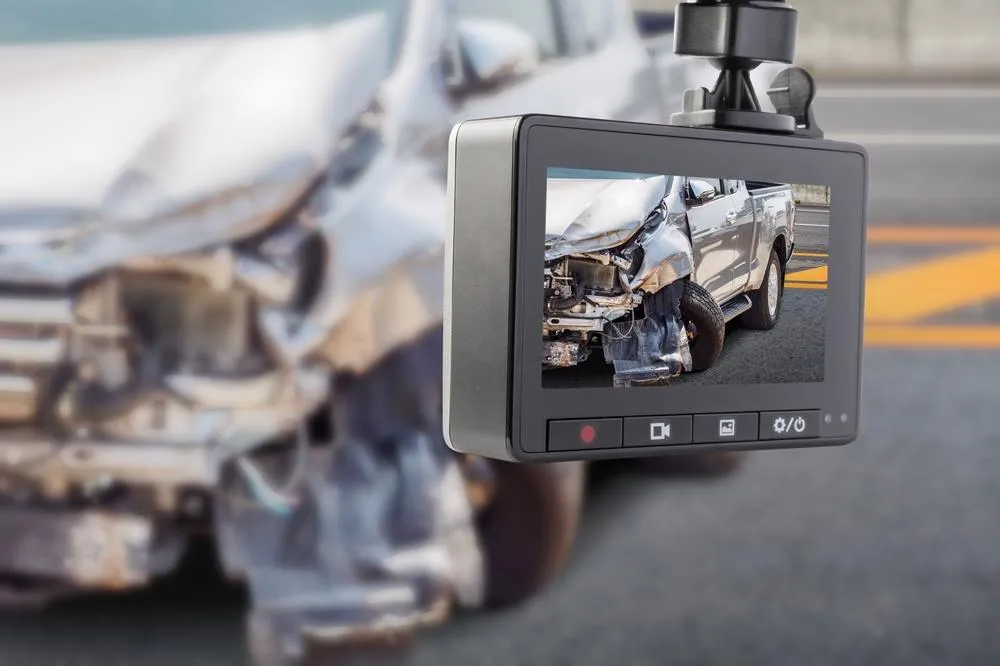
Dashcam footage provides unbiased, real-time proof of the accident. If you have a dashcam, save the footage immediately because many devices automatically delete old files.
Remove the memory card right away and make backup copies. Don’t edit or alter the original footage in any way. Also check nearby businesses for security cameras that might have captured the crash.
Which Official Records Move Your Case Forward
Official records carry more weight than personal accounts because they come from neutral professionals. These documents form the legal foundation of your claim and are much harder for insurance companies to challenge.
Texas CR-3 Crash Reports and How to Use Them
The CR-3 Crash Report is Texas’s official police report. It contains the officer’s observations, accident diagrams, contributing factors, and any citations issued. You can order your report online from the Texas Department of Transportation within about 10 days of the crash.
This report provides an official determination of fault based on the officer’s investigation. While not always perfect, it carries significant weight with insurance companies and juries. At Perrin Law Injury & Accident Lawyer, I review every CR-3 report carefully to identify any errors that need correction.
Medical Records That Link Injuries to the Crash
Prompt medical attention creates documented proof that your injuries resulted from the accident. These records establish a clear timeline connecting the crash to your medical problems.
Your medical file should include:
- Emergency room records and initial treatment
- Diagnostic tests like X-rays, MRIs, and CT scans
- Doctor’s notes and treatment plans
- Physical therapy records and progress reports
- Prescription medication history
Gaps in medical treatment give insurance companies ammunition to argue your injuries aren’t serious or weren’t caused by the accident.
Pay, Benefits, and Future Earnings Proof
Lost wage claims require documentation of your income and missed work. Recent pay stubs, W-2 forms, and employer letters confirming your absence provide this proof.
For serious injuries that affect your future earning capacity, I work with vocational experts to calculate your lifetime income loss.
Digital Evidence That Proves Negligence
Modern technology creates a digital trail that can provide undeniable proof of driver behavior. This evidence often requires quick action to preserve because it gets deleted or overwritten rapidly.
Cell Phone Records and Distracted Driving
Cell phone records can prove the other driver was texting, calling, or using apps at the moment of impact. These records require legal subpoenas but often provide the smoking gun in distracted driving cases.
Social media activity around the crash time can also reveal distraction or contradict the driver’s official story. Posts, photos, or check-ins near the accident time and location can be powerful evidence.
Vehicle Black Box Data and Access
Some vehicles are equipped with an Event Data Recorder (EDR), commonly called a “black box.” This device records critical data like speed, braking, acceleration, and seatbelt use in the seconds before and during the crash.
Accessing EDR data requires specialized equipment and must happen before the vehicle is repaired or destroyed. This data provides objective proof of how the accident occurred and can contradict false claims about driver behavior.
Store and Traffic Video and Retention Windows
Many businesses routinely delete surveillance footage after a short period to conserve storage space. Traffic camera footage can be overwritten quickly.
I immediately send preservation letters to nearby businesses, gas stations, restaurants, and government agencies to prevent automatic deletion. This quick action often secures crucial video evidence that would otherwise disappear.
Demand Packages, Insurer Letters, and the Paper Trail
A demand package summarizes all your evidence, proves liability, details your damages, and requests specific compensation. This comprehensive document shows insurance companies the strength of your case and motivates fair settlement offers.
Every communication with insurance companies becomes part of your claim’s permanent record. This is why you should never give recorded statements without legal guidance. Adjusters use leading questions to get admissions they can use against you later.
I handle all insurance communications to protect you from these tactics. My experience dealing with adjusters prevents costly mistakes that could damage your claim.
Medical Liens That Impact Your Net Recovery
Medical liens are legal claims against your settlement by healthcare providers or insurers. Hospitals may file liens for unpaid treatment, while health insurance companies seek reimbursement through subrogation rights.
These liens must be resolved before you receive settlement funds. I negotiate these liens down whenever possible to maximize your net recovery. Understanding lien obligations upfront prevents surprises at settlement time.
How Evidence Drives Settlement and Wins at Trial
Many car accident cases settle before trial, and the strength of your evidence helps determine the settlement amount. Insurance companies evaluate your evidence to predict their likely trial outcome.
Strong evidence creates settlement leverage because insurers know they’ll probably lose at trial. Weak evidence gives them confidence to offer lowball settlements or deny claims entirely.
Evidence quality directly impacts your case outcome:
- Complete, strong evidence: Higher settlements and faster resolution
- Moderate evidence with gaps: Reduced offers and longer negotiations
- Weak or missing evidence: Lowball offers or claim denials
I prepare every case as if it will go to trial. This trial-ready approach puts maximum pressure on insurance companies to offer fair settlements.
Preservation Letters, Spoliation Risks, and Deadlines
Preservation letters are formal legal notices demanding that parties save crucial evidence. I send these immediately to prevent automatic deletion of video footage, destruction of vehicles, or disposal of other key evidence.
Spoliation occurs when someone destroys evidence after receiving notice to preserve it. Courts can impose serious sanctions for spoliation, including instructions that juries should assume the destroyed evidence was unfavorable to the party who destroyed it.
Although Texas allows two years to file a lawsuit, critical evidence can disappear much sooner. Waiting even a few days can result in permanent loss of video footage or vehicle data that could have won your case.
Evidence Mistakes That Cost Texans Money
The chaos after an accident makes it easy to make evidence mistakes that hurt your claim. Knowing what to avoid is just as important as knowing what to do.
Common costly mistakes include:
- Admitting fault: Never apologize or say anything that sounds like you’re taking blame
- Delaying medical care: Gaps in treatment let insurers argue your injuries aren’t serious
- Social media posts: Insurance companies scan your profiles for contradictory evidence
- Giving recorded statements: Adjusters twist your words to assign fault or minimize injuries
- Disposing of damaged property: Physical evidence gets lost forever
These mistakes give insurance companies ammunition to reduce or deny your claim. Avoiding them protects your right to full compensation.
When to Call a Lawyer and What We Do in Week One
The best time to call an attorney is immediately after ensuring safety and getting medical care. Evidence preservation can’t wait for you to “think about it” or “see how you feel.”
Here’s what I do in your first week:
- Send preservation letters within 24 hours to prevent evidence destruction
- Secure vehicle EDR data before repairs or disposal
- Contact witnesses while their memories are fresh
- Request surveillance footage before automatic deletion
- Handle all insurance communications to prevent damaging statements
- Coordinate medical care and documentation
- Begin building your trial-ready case file
You pay nothing unless we win your case. This contingency fee structure means I only succeed when you succeed.
Injured in Texas? Get Evidence on Your Side Today
Strong evidence means fair compensation for your medical bills, lost wages, pain and suffering, and other damages. Weak evidence means fighting an uphill battle against insurance companies that profit from paying you less.
With over 20 years of experience helping Texas families recover from crashes, I know how to gather, preserve, and present the evidence needed to win. Whether you need a car crash lawyer in Lubbock or anywhere in Texas, I’m here to help.
Don’t let crucial evidence disappear while you wait. Contact me today for your free consultation and let me put my experience to work protecting your rights and securing the compensation you deserve.
Texas Car Accident Evidence FAQs
How Quickly Do Businesses Delete Security Camera Footage?
Some businesses routinely delete surveillance footage after a short period to conserve storage space. In some cases, footage is deleted quickly.
Can I Get the Police Report if No Officer Came to My Accident?
You can file a Driver’s Crash Report (Form CR-2) with TxDOT yourself, but this isn’t the same as an official CR-3 report created by police.
Do I Have to Give My Phone Records to the Insurance Company?
You’re not legally required to provide your phone or phone records to the other driver’s insurance company, and doing so often hurts your case.
What Happens if the Other Driver Destroys Their Vehicle Before We Get the Black Box Data?
If someone destroys evidence after receiving a preservation letter, courts can sanction them and instruct juries to assume the evidence was bad for them.
How Long Do I Have to Collect Evidence for My Texas Car Accident Case?
Although you generally have two years to file a lawsuit in Texas, crucial evidence like video footage and vehicle data often disappears within days of the accident.
Can the Other Driver’s Insurance Company Use My Social Media Posts Against Me?
Yes, insurance companies regularly search social media for photos or posts that contradict injury claims, so avoid posting about your accident or activities.